There are many types of stomach diseases, the most common being gastroesophageal reflux disease (GERD), where stomach acid flows back into the esophagus and damages the esophageal mucosa. Clinical manifestations include a burning sensation behind the sternum and in the stomach one hour after meals, which worsens after exercise. Stomach diseases are mainly caused by inflammation of the gastric mucosa due to physical, chemical, biological, and emotional factors. Clinically, they are divided into acute gastritis and chronic gastritis.
Four health care methods for gastritis
1. Self-massage: This refers to rubbing the corresponding acupoints with the palm of the hand. Massage is a traditional health care method unique to my country. Modern experimental studies have shown that massaging the abdomen can promote gastrointestinal motility and emptying, enhance the function of gastrointestinal glands, improve digestion, and has antispasmodic and analgesic effects. The specific method is as follows: Use the palm or the thenar eminence of the palm to perform circular massage at the midpoint of the line connecting the xiphoid process and the navel (Zhongwan acupoint), with a moderate rhythm and appropriate pressure. Each session should last 10-15 minutes, 1-2 times a day.
2. Qigong: An effective health maintenance method for preventing and treating stomach ailments. Qigong has a relaxing and calming effect, can regulate the functional state of the cerebral cortex, and inhibit excitatory foci. It is most effective for gastritis caused by psychological factors. Patients with chronic gastritis can practice Neiyanggong or Zhisonggong. Specific methods can be found in relevant books, and it is best to practice under the guidance of a Qigong master.
3. Pay attention to adequate rest and exercise, and maintain a regular lifestyle. Irregular lifestyle, excessive work fatigue, high mental stress, and insufficient sleep are important causes of chronic gastritis. Everyone can develop a work-rest schedule based on their job nature and try to maintain a regular lifestyle. For example, drivers often cannot return to their accommodation for lunch on time, so they can keep some bread, biscuits, or similar snacks on hand so they can eat on time at noon.
4. Maintain a cheerful and optimistic mood. Depression, low spirits, and excessive worry can often cause or aggravate various types of gastritis. Everyone has this experience: when arguing or quarreling with family or colleagues, food doesn’t taste good, and bloating is common.
What foods are good for people with weak spleen and stomach?
milk
It has a sweet taste and neutral properties, and enters the lung and stomach meridians.
Functions: Nourishes the lungs and stomach, generates body fluids, and moistens the large intestine. Suitable for stomach pain due to yin deficiency and constipation due to fluid depletion; in modern times, it is used to treat peptic ulcers and habitual constipation. Those with diarrhea, spleen deficiency, or dampness should avoid it.
porridge
Porridge is easy to digest, especially eight-treasure porridge, which contains peanuts, almonds, and sugar, making it higher in calories and more nutritious, and beneficial for the stomach. Fresh peanuts are rich in protein and fat, which can effectively protect the stomach.
staple food
The best food for the stomach is noodles. Rice contains more acid, so eat less rice. If you’re making porridge, add a little baking soda, which is good for the stomach. Also, biscuits are good.
apple
It has a sweet taste and a cool nature.
Functions: Strengthens the spleen, replenishes qi, benefits the stomach, promotes the production of body fluids, and moistens dryness. Suitable for those with spleen deficiency and poor appetite, stomach yin deficiency, and stomach pain due to yin deficiency.
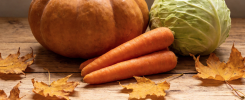
cabbage
It has the effects of strengthening the spleen and stomach, relieving pain, detoxifying and reducing swelling, clearing heat and promoting diuresis. It can be used for symptoms such as chest tightness, thirst, sore throat, urinary retention, poor hearing and vision, poor sleep, joint stiffness and abdominal pain caused by internal heat.
Its vitamin C and other components have analgesic and ulcer-healing effects. Stewing cabbage with Job’s tears, dried tangerine peel, and honey can treat stomach pain, upper abdominal distension, and gastric and duodenal ulcers. Stewing it with red beans, winter melon, and rock sugar can reduce swelling and promote urination.