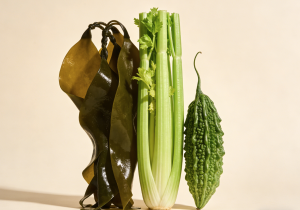
Drink an adequate amount of water every day—adults typically need 1.5-2 liters (about 8 cups) of fluid daily
Regular Health Screenings
Prevention is better than cure. Schedule regular check-ups with your doctor, including blood pressure, cholesterol, blood sugar and cancer screenings (as recommended by your age and risk factors).
Adults should aim for 1.5 to 2 liters (approximately 8 cups) of fluid per day. This amount may need to be increased in hot weather, during intense physical activity, or if you have certain health conditions (such as diabetes or kidney issues). It’s best to prioritize plain water over sugary drinks, excessive caffeine, or alcohol, as these can lead to dehydration.
Moderate-intensity exercise (e.g., brisk walking, cycling at a steady pace, swimming) raises your heart rate and makes you slightly breathless but still able to hold a conversation. Vigorous-intensity exercise (e.g., running, HIIT, fast cycling) increases your heart rate significantly and makes talking difficult. The recommended guideline is 150 minutes of moderate-intensity exercise or 75 minutes of vigorous-intensity exercise per week, plus 2-3 days of strength training to strengthen muscles and bones.
Most adults require 7 to 9 hours of uninterrupted sleep each night. Chronic sleep deprivation (less than 7 hours) can disrupt hormone balance, impair cognitive function (e.g., focus, memory), weaken the immune system, increase the risk of mental health issues (anxiety, depression), and raise the likelihood of chronic diseases like hypertension and diabetes.
A balanced diet should focus on whole, unprocessed foods, including colorful vegetables and fruits (for vitamins and antioxidants), whole grains (e.g., oats, quinoa, brown rice) for fiber, lean proteins (fish, poultry, beans, tofu), and healthy fats (avocados, nuts, olive oil). These foods provide essential nutrients to keep your body functioning optimally. Limit processed foods, added sugars, and excessive sodium to reduce chronic disease risk.
Yes, chronic stress can have a significant impact on physical health, contributing to high blood pressure, digestive problems, weakened immunity, and muscle tension.
The frequency of health screenings depends on your age, gender, and risk factors (e.g., family history of disease). Generally, adults should have annual check-ups that include blood pressure, cholesterol, and blood sugar tests. Additional screenings (e.g., cancer screenings, mammograms, colonoscopies)
To support a healthy gut microbiome (the beneficial bacteria in your digestive system), incorporate probiotic-rich foods (e.g., yogurt, kefir, sauerkraut, kimchi) and prebiotic foods (e.g., garlic, onions, oats, bananas) into your diet.
Moderate alcohol consumption may be safe for some adults, but it’s not risk-free. The guidelines define moderate drinking as up to 1 drink per day for women and up to 2 drinks per day for men (1 drink = 12 ounces of beer, 5 ounces of wine, or 1.5 ounces of spirits).
A Title to Turn the Visitor Into a Lead
This is your chance to emphasize why the visitor should contact you right now.